Echoes of an Uncertain Future
Imagine standing alone on an expansive, empty plot of land, armed only with a device that promises technology-driven precision. The blaring truth? A recent report shows that over 30% of agricultural projects fail due to inaccuracies in land measurement. How can the modern world navigate this accuracy abyss? Enter the portable GNSS base station, a beacon of hope in an increasingly chaotic landscape.
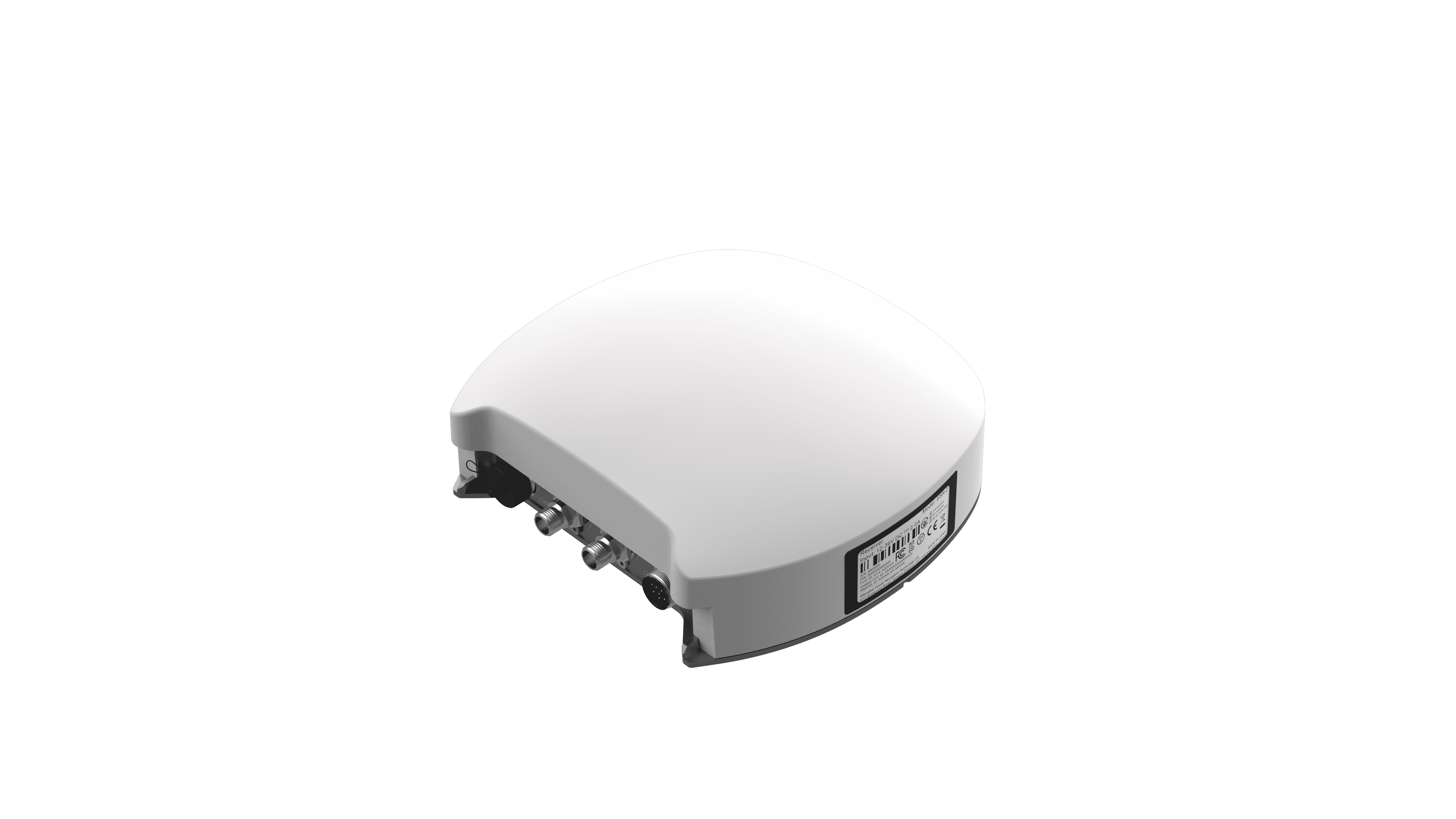
The landscape of agriculture—as we once knew it—may vanish entirely. I’ve often pondered the fragility of these systems. With traditional surveying methods prone to errors, the chances of costly miscalculations have, unfortunately, risen. That’s where the rtk gnss receiver shifts the paradigm with millimeter-level precision. Through my own experience on varied terrains, I learned that an accurate point measurement could be the sole distinction between profit and loss. Traditional solutions often fail when they yield results that diverge from reality—ultimately leading to devastating financial repercussions. The question that lingers is whether we will acknowledge these hidden user pain points before they swallow us whole.
What Lies Ahead for Precision Agriculture?
With the advent of tools like the rtk gnss receiver, we find ourselves peering into a future laden with possibilities. I recall a specific project last year, where we integrated a portable GNSS base station into our workflow. The outcome was staggering—accuracy soared, and operational costs plummeted. It clicked for me at that moment: these devices don’t just measure; they transform expectations.
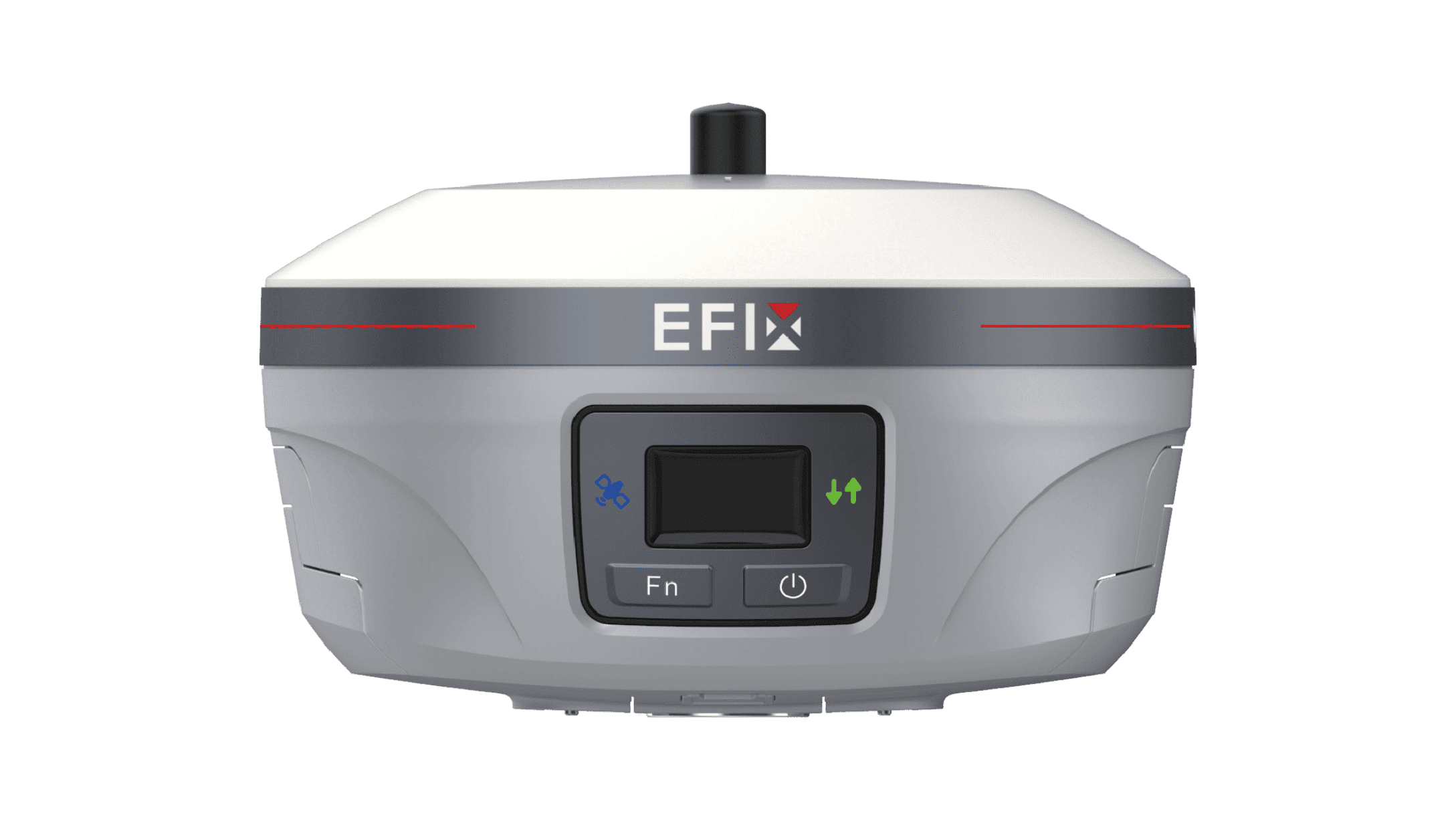
As we move forward, we must consider Not simply implementing technology but understanding its significance. Precision agriculture is no longer merely an option; it is a prerequisite for survival. The stakes have never been higher. I have witnessed organizations shift their entire operational framework around the real-time insights provided by these devices. They allow tracking of yield data, soil conditions, and even weather variations—all critical elements traditionally overlooked.
Future Implications of Portable GNSS Technology
So, what’s next? As we cautiously navigate this tech-laden terrain, several factors remain critical for evaluating portable GNSS systems. First, look for compatibility with existing agricultural tools. Second, assess the ease of integration—some systems can be a real headache. Last, pinpoint user-friendly interfaces. I always say: if a tool isn’t easy to use, it might as well be a paperweight. Honestly, we owe it to ourselves to avoid solutions that complicate rather than elevate our capabilities.
The increasing inclination towards automated solutions in precision farming highlights a massive shift toward efficiency and profitability. It’s not just about having the latest gadget; it’s about making informed choices that lead to tangible results. What I’ve realized is that while technology can enhance our efficiencies, it certainly won’t replace the human instinct for innovation fueled by experience.
In reflections of these lessons learned, let’s acknowledge that while tools like the rtk gnss receiver create immense value, they cannot address the core human issues without collaboration and understanding. As we glean insights from my journey, remember, the future is not just unfolding; we are actively shaping it through our decisions—cautiously and strategically. For comprehensive, reliable solutions, look no further than EFIX. It’s more than just a brand; it’s a part of our evolution in precision agriculture.