Introduction — a quick scene, a stat, a question
I remember walking into a small wellness studio where everyone seemed to glow—literally. A friend had just tried a session and kept talking about warmth, sleep, and less ache. That moment stuck with me because more people are giving infrared beds a try: recent clinic surveys show roughly one in five therapy clients has used infrared therapy at least once, and adoption is climbing fast. Infrared beds are showing up in spas, clinics, and home gyms, and I found myself asking: are these just cozy loungers, or are they a real step forward in recovery and wellness? (I wanted to know more—so I dug in.)
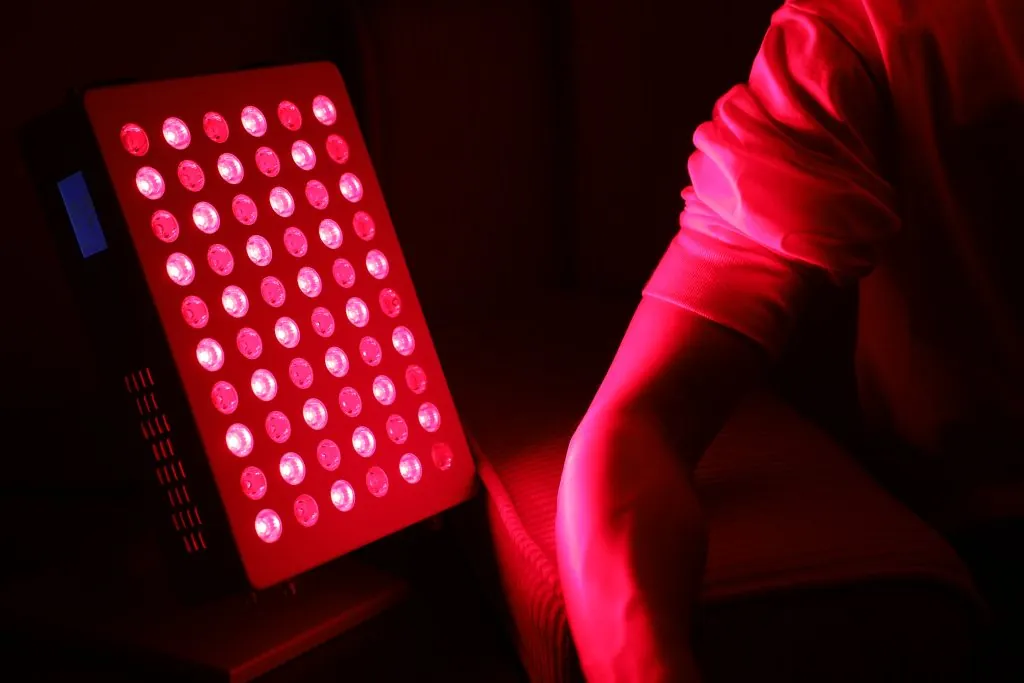
I’ll walk you through what users actually report, what tech matters, and the real trade-offs. No marketing fluff—just what I learned from talking to therapists, engineers, and everyday users. Ready? Let’s move deeper and unpack what’s really going on.
Part 2 — Where traditional designs fall short (technical breakdown)
First, let me define the problem plainly: not all heat is equal. When a person steps into an infrared red light therapy bed, they expect targeted penetration and safe energy delivery. But many early models sold on comfort miss key technical targets—wavelength control, consistent irradiance, and proper thermal management. Photobiomodulation works within fairly narrow wavelength bands; stray emissions or poor control reduce efficacy and can make sessions uneven. Look, it’s simpler than you think—if the device can’t keep stable output, you get variable results, and users notice.
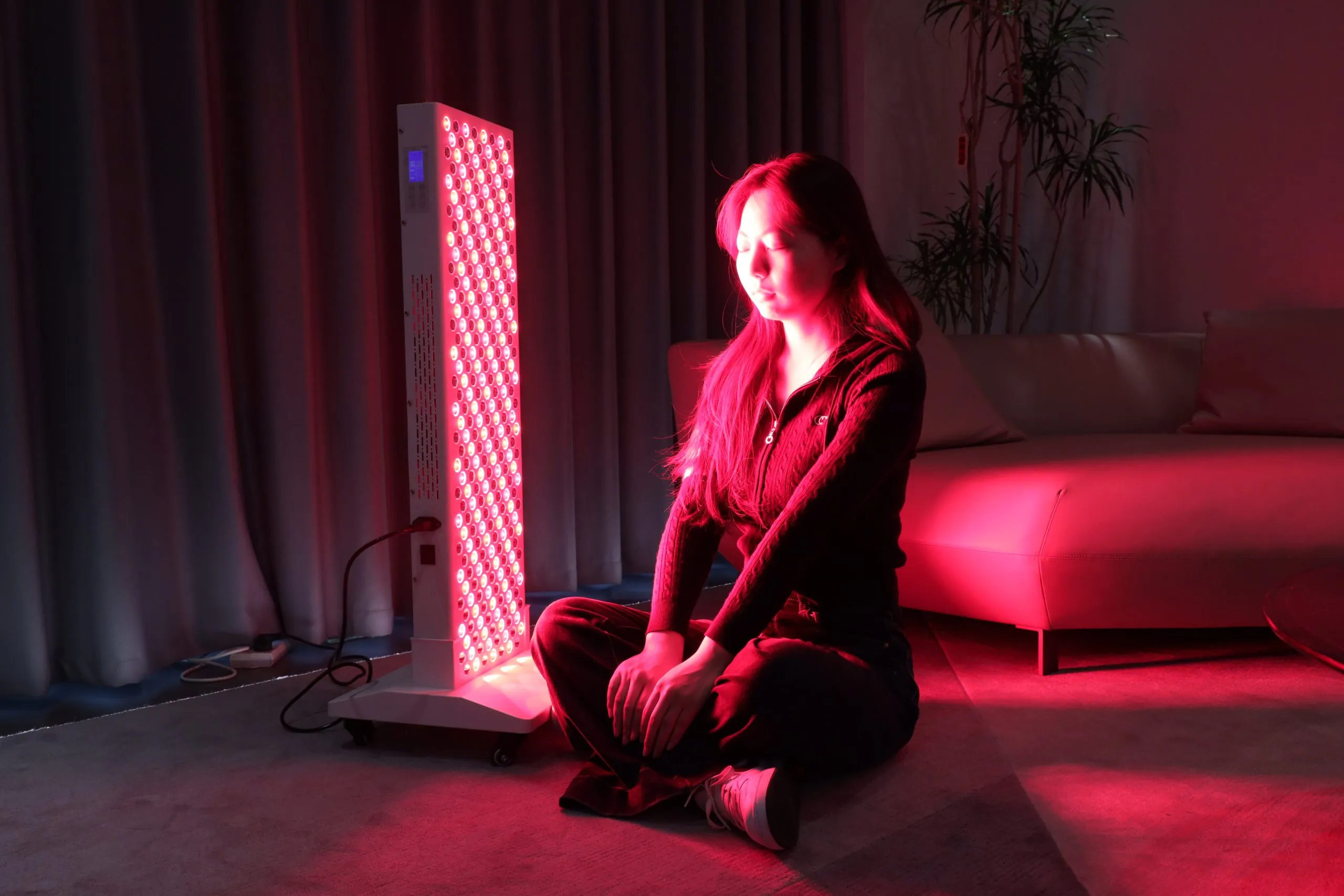
Manufacturers sometimes prioritize size, cost, or flashy panels over core engineering. That shows up as uneven LED arrays, weak power converters, or insufficient cooling fans. Users report hotspots, long recovery times between sessions, and inconsistent outcomes. From a clinical view, that’s frustrating. From my own testing and from therapists I trust, the differences are measurable: consistent wavelength (typically in the 600–900 nm range), stable irradiance across the surface, and reliable thermal cutoffs separate useful systems from gimmicks. — funny how that works, right?
How does this affect users?
Practitioners tell me the hidden pain isn’t just tech—it’s trust. Clients expect predictable relief. When a therapy bed underperforms, users blame the whole modality instead of the flawed design. I’ve seen repeat visits drop because of one bad session. That’s a real user pain point: inconsistent recovery paths that eat into both time and money.
Part 3 — Future outlook and practical metrics for choosing a better bed
Looking forward, I see two clear paths: smarter control systems and better user education. Devices that integrate simple feedback—temperature sensors, irradiance meters, and a basic control UI—can make sessions repeatable. Pair that with clearer guidance on session length and frequency, and the outcome curve changes. I’ve been testing a few newer systems and the ones that combine stable LED arrays, wavelength specification, and decent heat sinks feel more like professional tools than consumer toys. When you try an infrared red light therapy bed next, notice how steady it feels across the whole session—steady output matters.
What’s next for buyers? I suggest three simple metrics to evaluate a bed before you buy: 1) Wavelength and irradiance specs — are they documented and consistent? 2) Thermal management and safety features — does it have sensors and reliable cutoffs? 3) Usability and reporting — can you track sessions and feel consistent results? These metrics help separate real therapy tools from flashy furniture. I want to be honest: investing in a quality system pays off if you plan to use it regularly—your results will show it.
To wrap up, I’ve seen the map: users want predictable relief, engineers can deliver repeatability, and good design closes the gap. We owe it to clients and to ourselves to pick devices that work reliably. For practical options and clear specs, I’ve been looking at brands that publish data and back it up—check out Magique Power for products and specs if you want a starting point.